
Therapy for tweens
navigating the in-between.
Tweens are in one of the most complex transitions of their lives as they are no longer little kids, but not quite teenagers. Therapy offers a space to slow down, feel understood, and build the tools to navigate what's ahead.
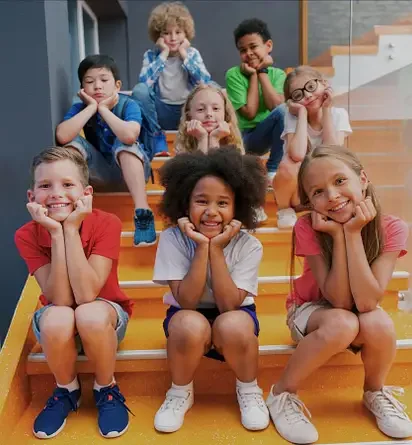
The tween years are harder than people realize.
The years between 9 and 13 are a period of enormous change in identity, relationships, bodies, and expectations. Pre-teens can sometimes be too old to process things through play the way younger children do, but they may not yet have the emotional vocabulary or trust to talk things through the way older teens can.
Therapy at this stage is about meeting kids exactly where they are. I blend approaches from both child and teen therapy to create a space that feels genuinely comfortable and just right for them.
What makes this stage unique
Too old for some things. Not quite ready for others.
Pre-teens are often caught in a difficult middle ground; developmentally beyond childhood but not yet equipped with the coping tools of adolescence. This stage brings its own distinct challenges that deserve to be taken seriously.
I approach this work with a lot of flexibility. Some pre-teens connect through conversation and creativity. Others still benefit from play-based elements. I follow the lead of each individual child and adapt as they grow.
Identity is forming
Pre-teens are beginning to ask bigger questions about who they are, and those questions can feel unsettling without the right support.

Friendship is complicated
Social dynamics shift dramatically at this age. Friendships, exclusion, and peer pressure become more intense and more personal.

Parent relationship shifts
Pre-teens often begin to pull away from parents as a healthy part of development that can still be painful for everyone involved.

Big feelings, limited tools
Emotional intensity increases dramatically at this stage, but the coping skills to manage it often haven't caught up yet.

My approach
Flexible, creative, and genuinely attuned to this stage.
Pre-teens often respond best to an approach that doesn't feel like "therapy" in the traditional sense. I draw on a blend of play-based and talk-based methods, following the lead of each individual child to find what feels most natural for them.
For pre-teens who are more verbal, I use narrative approaches to help them explore the stories they've come to believe about themselves, and gently open up new possibilities. I also draw on IFS to help them understand different parts of themselves with curiosity rather than judgment.
For pre-teens who are less verbal or more concrete thinkers, I incorporate creative and expressive elements, such as art, sand, , and storytelling to give them other to express.
Not too childish, not too clinical
I calibrate the approach to each child. Some pre-teens want to talk, others need to create or play first. I follow their lead.
Building trust before going deep
Pre-teens are perceptive and often cautious. I spend time building a genuine relationship before we tackle the harder stuff.
Honoring their growing need for privacy
Pre-teens are developing a stronger sense of autonomy. I hold their confidentiality seriously while keeping parents appropriately informed.
Involving parents without overriding the child
Parents are a vital part of the process, but so is the pre-teen's growing need to feel like therapy is their space.
What we work toward
Goals of Therapy for Pre-Teens.
Emotional Regulation
Understanding and managing the intense feelings that come with this stage of development.
Coping Skills
Building practical tools for managing anxiety, stress, and the challenges of growing up.
Processing Difficult Experiences
Working through trauma, loss, or hard experiences in a way that feels safe and manageable.
A Stronger Sense of Self
Helping pre-teens begin to understand who they are and feel more grounded in that identity.
Social Confidence
Navigating friendships, peer pressure, and social dynamics with more ease and security.
Family Connection
Strengthening the parent-child relationship during a developmental stage when it often feels strained.