
Child Play Therapy
Children don't always have the words to explain what they're going through. Play therapy gives them another way in a safe, creative space to express, explore, and begin to make sense of what's they’re feeling.
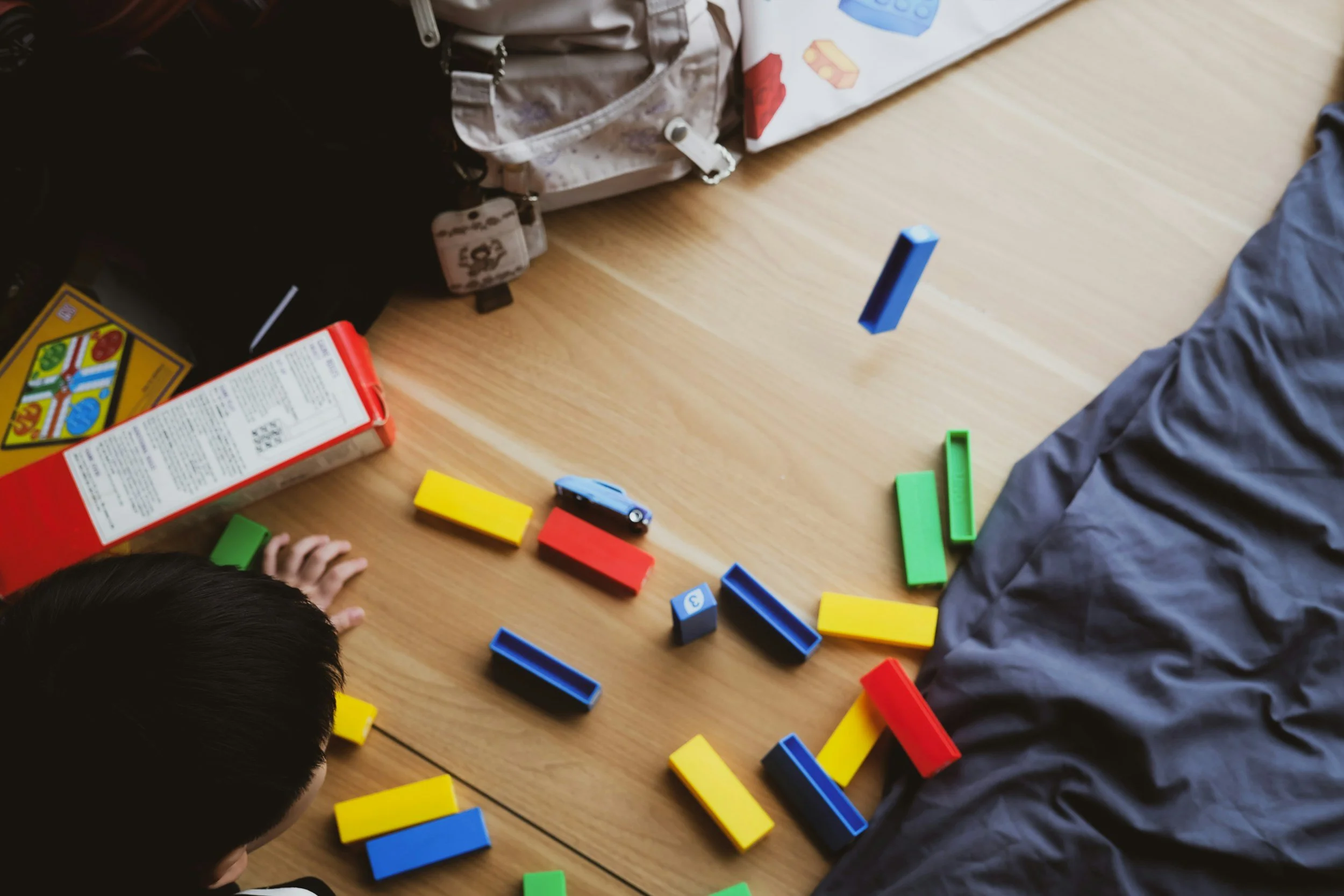
What is play therapy?
Play is a child's natural language. Therapy through play meets them where they are.
In play therapy, the session becomes a space where children can express what they may not yet have words for. Through toys, art, sand, and imaginative play, children learn to communicate, process, and work through their inner world in a way that feels safe and familiar to them.
As the therapist, I'm paying close attention to themes, patterns, and moments that reveal what a child is carrying. Over time, that understanding becomes the foundation for real change.
Signs your child might benefit
You don't need a diagnosis to reach out.
Most parents come in with a gut feeling that something is off. Here are some of the things that often bring families to play therapy.
Big emotions or meltdowns
Frequent emotional outbursts, difficulty calming down, or intense reactions that feel out of proportion.

A difficult experience
A loss, trauma, divorce, move, or other life event that seems to have affected your child's mood or behavior.

Anxiety or worry
Separation anxiety, fear of new situations, excessive worry, or physical complaints like stomachaches with no medical cause.

Neurodivergence
ADHD, autism, AuDHD, or OCD and the strengths and challenges that often come alongside.

Social or behavioral struggles
Difficulty making friends, aggression, withdrawal, or behavior that's changed noticeably at home or school.

Something feels off
You can't put your finger on it, but you know your child and something has shifted. That instinct is worth paying attention to.

What play therapy involves
Child-led, creative, and purposeful.
Sessions are held in a dedicated playroom stocked with carefully selected toys, art materials, games, and more. Children are free to use the space in whatever way feels natural to them.
Play therapy isn't just free play. It's purposeful, developmentally informed work. I draw on child-centered play therapy principles, meaning I create conditions where children feel genuinely safe, accepted, and free to express themselves fully.
For some children I may also incorporate more directive approaches such as using specific activities or techniques to address particular challenges depending on what each child needs.
“A child, given the opportunity, has the gift of honest, forthright communication.”
— Virginia Axline, founder of child-centered play therapy
What to Expect
Starting therapy for your child can feel like a big step. Here's what the process typically looks like from start to finish.
Free 20-minute consultation
1
We start with a phone call where you can share what's going on, ask questions, and get a sense of whether I'm a good fit for your child and family. No commitment required.
Intake session
2
Before sessions start, I meet with you, and your child, if appropriate. This session is for parents to share your child's history, your concerns, and what you're hoping for from therapy.
Play sessions begin
3
Your child and I will meet weekly for 50-minute sessions. Early sessions are often about building trust and comfort in the playroom.
Regular parent check-ins
4
I schedule periodic check-ins with parents throughout the process to share observations, discuss progress, and make sure you feel informed and involved. Therapy works best when parents are part of the process. I may suggest things to try at home, share resources, or involve you more directly depending on what your child needs.